
Unlocking the Wisdom of the Hebrew Scriptures Through Original Language Study

Updated: Aug 3
The Hebrew Scriptures hold a special place in history and faith. They are more than just old texts; they are the foundation of many beliefs and cultures. Reading these scriptures in their original Hebrew language opens a door to deeper understanding. It reveals meanings and emotions that translations sometimes miss. If you want to connect with these ancient words, learning to read Hebrew prayers and texts is a great start!
Why Learn Hebrew to Read the Scriptures?
Hebrew is a unique language. It has a rich history and a special way of expressing ideas. When you read the Hebrew Bible in its original form, you get closer to the true message. Translations can change the meaning or lose the beauty of the original words. Hebrew also uses letters that carry meaning beyond just sounds. This adds layers to the text that only a Hebrew reader can fully appreciate.
Learning Hebrew helps you:
Understand the prayers as they were meant to be said.
Discover the real meaning behind key words and phrases.
Connect with the culture and history of the people who wrote the scriptures.
Enjoy the rhythm and poetry of the original texts.
Many people find that reading Hebrew prayers aloud brings a new sense of peace and connection. The sounds and structure of the language create a special feeling that translations cannot match.
How to Start Reading Hebrew Prayers
Starting to read Hebrew can feel challenging, but it is very rewarding. Here are some simple steps to help you begin:
Learn the Hebrew Alphabet
The Hebrew alphabet has 22 letters. Each letter has a name and a sound. Some letters change sound depending on where they are in a word. Practice writing and recognizing these letters first.
Understand Vowels and Pronunciation
Hebrew uses small marks called "nikkud" to show vowels. These marks help you pronounce words correctly. Many Hebrew texts, especially prayers, include these marks to guide readers.
Practice Common Words and Phrases
Start with simple prayers or blessings. Learn the meaning of each word as you go. This builds your vocabulary and confidence.
Use Audio Resources
Listening to native speakers or recordings of prayers helps you hear the correct pronunciation and rhythm.
Join a Course or Use Online Tools
Structured lessons can guide you step-by-step. For example, the iLearnHebrew platform offers personalized courses that make learning Hebrew fun and effective. Their lessons include reading practice, vocabulary, and cultural insights.
Discovering the Real Meaning Behind Hebrew Prayers
Hebrew prayers are full of deep meaning. Each word can have several layers. For example, the word "shalom" means peace, but it also suggests completeness and well-being. When you read prayers in Hebrew, you see these rich meanings clearly.
Take the Shema prayer, one of the most important in Judaism. In Hebrew, it says: "שְׁמַע יִשְׂרָאֵל" (Shema Yisrael), which means "Hear, Israel." The word "Shema" means more than just hearing; it means listening with attention and heart. This shows how Hebrew words carry emotional and spiritual weight.
Understanding these nuances helps you connect with the prayers on a deeper level. It also shows how the Hebrew Bible uses language to teach, comfort, and inspire.

Tools and Resources to Help You Learn Hebrew Scriptures
Learning Hebrew is easier with the right tools. Here are some helpful resources:
iLearnHebrew Online Courses
This platform offers courses designed for all ages. Their lessons focus on reading, writing, and understanding Hebrew prayers and scriptures. The courses are interactive and include cultural background to enrich your learning. Check out iLearnHebrew for more details.
Hebrew Prayer Books with Transliteration
These books show Hebrew prayers with English letters to help with pronunciation. They are great for beginners who want to practice reading aloud.
Audio Recordings of Prayers
Listening to prayers in Hebrew helps you learn the correct sounds and rhythm. Many websites and apps provide free recordings.
Using these resources together makes learning more fun and effective. For example, combining the iLearnHebrew courses with prayer books and audio helps you see, say, and understand the prayers fully.
Tips for Staying Motivated While Learning Hebrew
Learning a new language takes time and effort. Here are some tips to keep you motivated:
Set small goals, like learning five new words a day.
Practice reading prayers daily, even if just a few lines.
Join a study group or online community for support.
Celebrate your progress, no matter how small.
Use Hebrew in daily life, like greeting friends or labeling items.
Remember, every step you take brings you closer to understanding the Hebrew Scriptures in their true form. The journey is rewarding and opens up a new world of meaning.
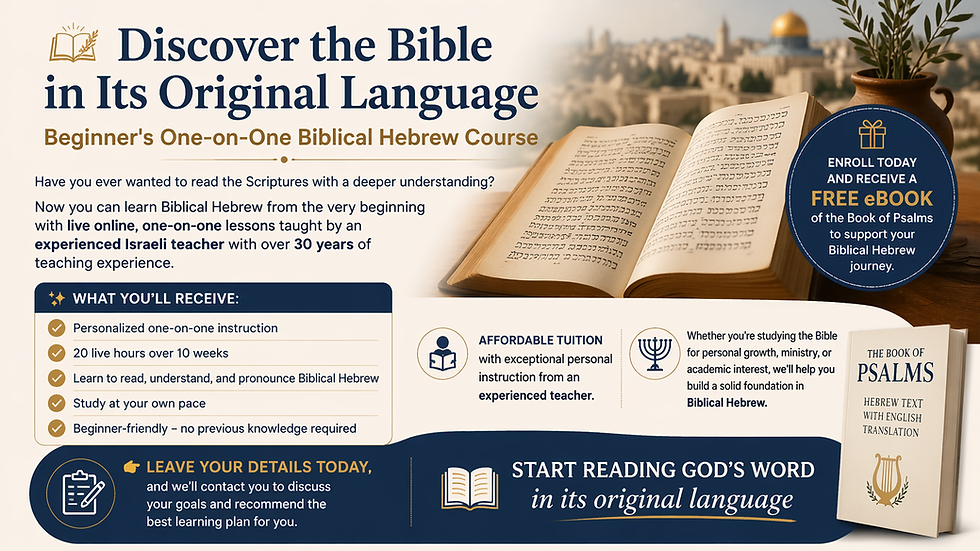
How Understanding Hebrew Enhances Your Connection to the Scriptures
When you read the Hebrew Bible in its original language, you experience the text as it was first written. This connection brings the stories, laws, and prayers to life. You see the word choices, the poetry, and the rhythm that translations often miss.
For example, the Psalms are full of poetic language that sounds beautiful in Hebrew. Reading them in Hebrew lets you feel the emotions and power behind the words. You also understand the cultural context better, which helps explain why certain phrases were used.
This deeper understanding can make your study of the Hebrew Scriptures more meaningful. It also helps you appreciate the history and traditions that have shaped these texts.
The Importance of Context in Hebrew Scriptures
Understanding the context of Hebrew Scriptures is crucial. Each text is rooted in a specific time and culture. Knowing the background helps you grasp the significance of the words. It also allows you to see how the scriptures relate to the lives of the people who wrote them.
For instance, many laws in the Torah reflect the social and economic conditions of ancient Israel. Recognizing these factors can deepen your appreciation for the texts. It also allows you to see how they continue to resonate today.
Final Thoughts on Learning Hebrew and the Hebrew Scriptures
Learning to read the Hebrew Bible in its original language is a wonderful way to connect with ancient wisdom. It brings new life to prayers and scriptures. With patience and the right tools, anyone can start this journey.
Platforms like iLearnHebrew make learning accessible and enjoyable. They offer courses that fit your pace and interests. By learning Hebrew, you unlock the true meaning of the prayers and texts that have inspired millions.
Start today, and discover the beauty and depth of the Hebrew Scriptures in their original language. Your understanding and appreciation will grow with every word you learn!

Comments